MS Is Reducing Windows 11 RAM Usage as Memory Costs Rise

MS Windows chief Pavan Davuluri has acknowledged that rising memory prices are pushing the company to reduce Windows 11’s RAM consumption. MS is improving the Windows Memory Manager, memory compression, WinUI 3, and WebView2, while making “memory optimization for 8GB and above” an official priority for the remainder of 2026.
During an episode of MS’s Inside Windows podcast, a Surface Pro owner asked whether the company planned to improve memory consumption. The user explained that on-device AI services had to be disabled simply to run a local model.

“I do think memory is top of mind for us right now in the industry, especially as we look at the rising cost of memory for computers across the board,” Davuluri said. “For us, as a Windows team, we have clear efforts around driving better utilization of memory.”
Davuluri made those remarks in May. On July 31, MS formalized the effort by listing “Memory optimization for 8GB and above” among its new focus areas for Windows.
RAM prices have risen substantially, encouraging PC manufacturers to reintroduce laptops with 8GB of memory. MS’s optimization work could help Windows 11 perform more effectively on those lower-memory configurations.
Windows 11 Must Become More Efficient at Using RAM
Davuluri was not promising a simple RAM-cleaning application. Instead, he described improvements across the entire platform, ranging from the Windows Memory Manager to the efficiency of frameworks running on top of the operating system. The objective is to reduce memory consumption in both Windows and its applications.
“We do definitely have work when it comes to compressing memory and making sure we’re more efficient on the platform,” he said.
Marcus Ash, MS’s corporate vice president of Design and Research, added that teams responsible for features such as Widgets and File Explorer are using a scenario-based approach. “They’re really trying to figure out, for a given scenario, how do I improve memory efficiencies,” he explained.
Davuluri added: “You only take the memory cost as and when you use the capability. Otherwise, the base system gets a little bit more efficient across the board.”
MS is therefore not attempting to minimize every Windows component indiscriminately. Instead, optional capabilities, including AI features, should consume RAM only when they are actively used, while the base operating system becomes more efficient. Davuluri also promised greater choice and end-user control over AI.
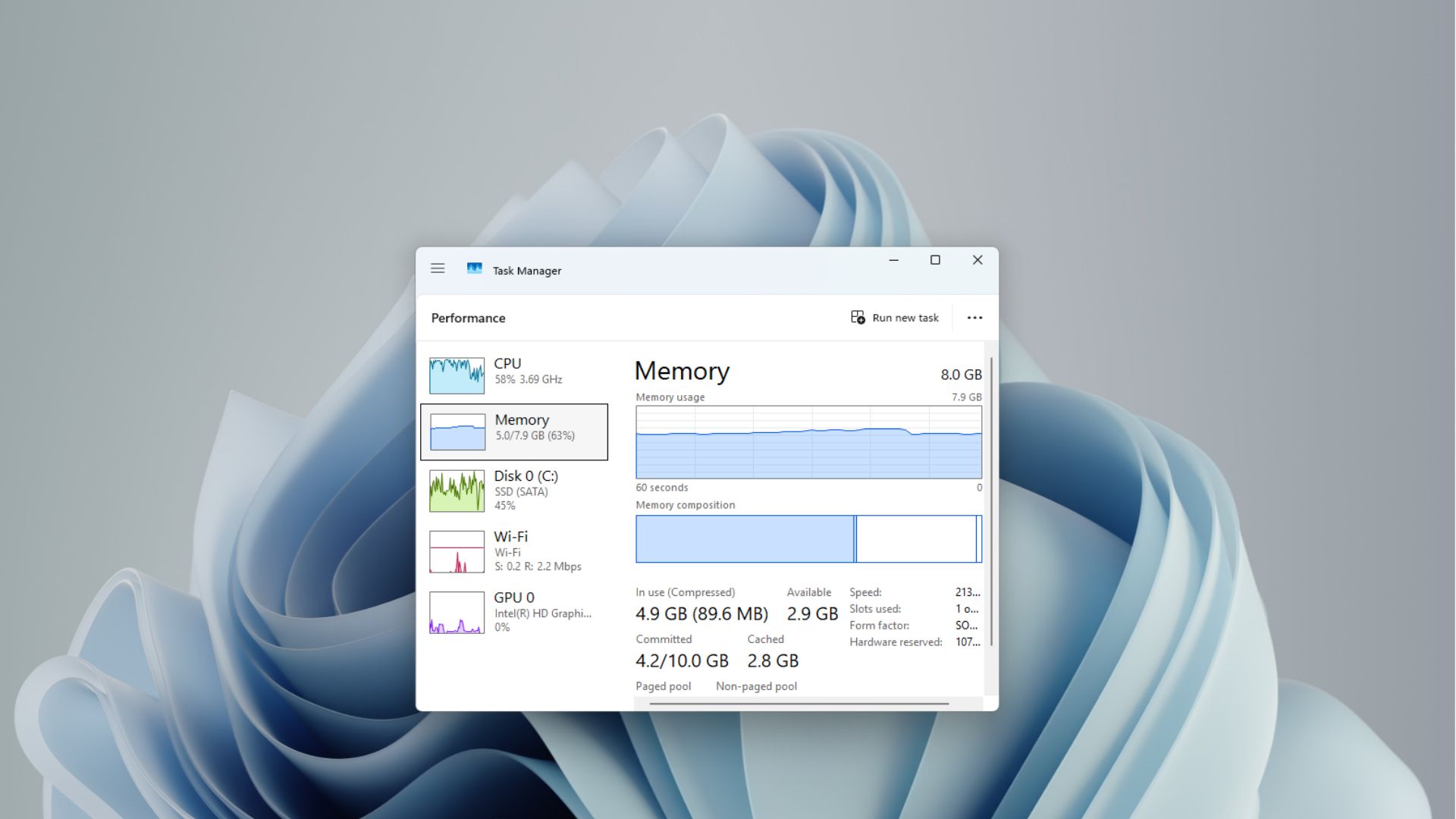
Later in the podcast, Davuluri said MS is modernizing Windows through WinUI 3, beginning with Run and commonly used File Explorer dialogs. WinUI has already received basic control improvements and a memory-related fix. In July, MS also said it was tuning WinUI 3 so that applications built with the framework would use less memory by design.
MS Contributed to the Conditions Behind the RAM Problem
For years, the standard response to a slow Windows PC was straightforward: install more RAM.
Windows 11 still lists 4GB as its minimum memory requirement, but MS established 16GB as the baseline for Copilot+ PCs. At the same time, the company continued adding web-based interface elements and developing first-party web applications, often with limited attention to RAM consumption.
After memory prices surged, MS began selling an 8GB Surface Laptop for $1,299, describing 8GB as sufficient for everyday use. The company also removed its previous 32GB RAM recommendation from its documentation.
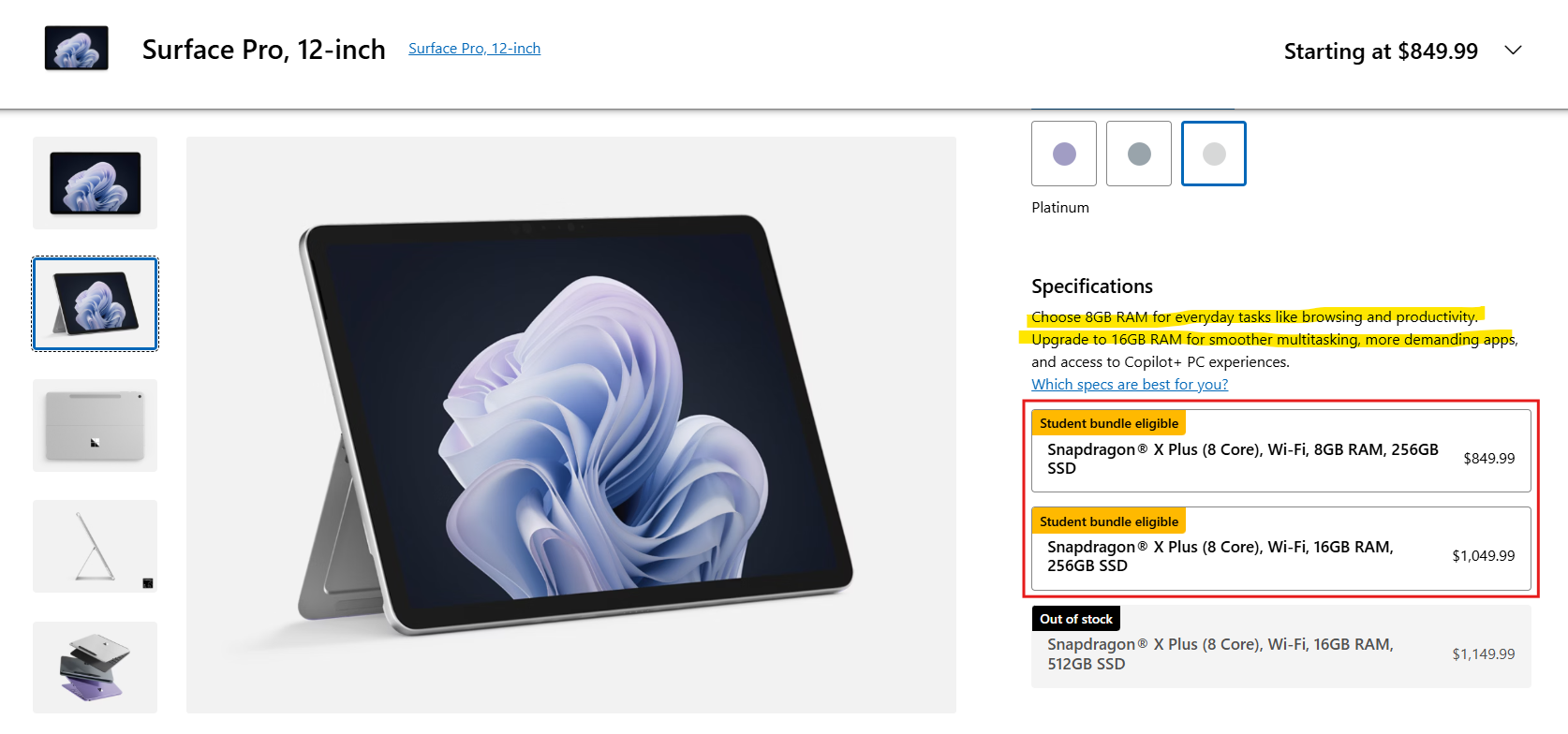
Other PC manufacturers followed with additional 8GB Windows 11 laptops, including Lenovo’s competitor to the MacBook Neo.
At the opposite end of the market, MS also developed a specialized edition of Windows 11 for power users that requires 64GB of RAM.
MS partnered with OpenAI in 2019 through a $1 billion investment and expanded the relationship with a multibillion-dollar agreement in 2023. In January 2025, MS said it expected to spend approximately $80 billion during that fiscal year on AI-enabled data centers.
Meanwhile, memory manufacturers redirected fabrication capacity toward High Bandwidth Memory and server-grade DRAM to support AI data centers. Industry data showed that conventional DRAM contract prices continued rising throughout 2026 as suppliers prioritized advanced manufacturing nodes for high-performance servers. Prices were projected to increase by another 10% to 15% quarter over quarter in the fourth quarter.
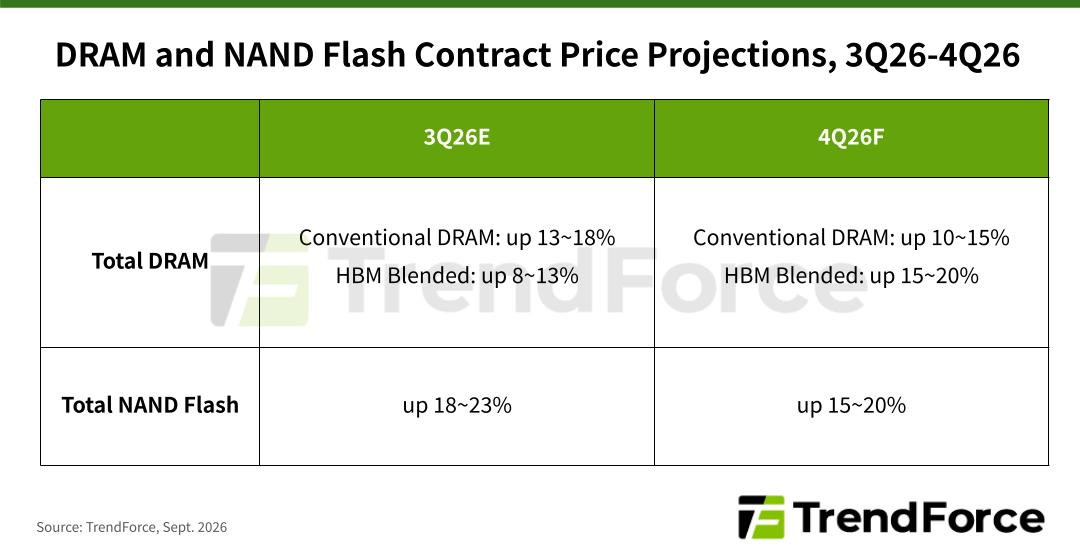
Enterprise server demand absorbed a substantial share of memory production, but consumers experienced the direct consequences. Higher PC memory-module costs forced manufacturers to reconsider the specifications included in their base configurations.
MS did not single-handedly cause RAM prices to rise. However, it was a major participant in the AI investment wave that changed the economics of memory production. The Windows team must now make the operating system lighter because memory has become significantly more expensive.
Why Windows 11 Uses So Much RAM
Complaints about Windows 11’s memory consumption often overlook how the operating system manages available RAM. Windows follows the principle that unused memory is wasted memory. The Windows Memory Manager and SysMain service therefore preload frequently launched applications into the standby cache.
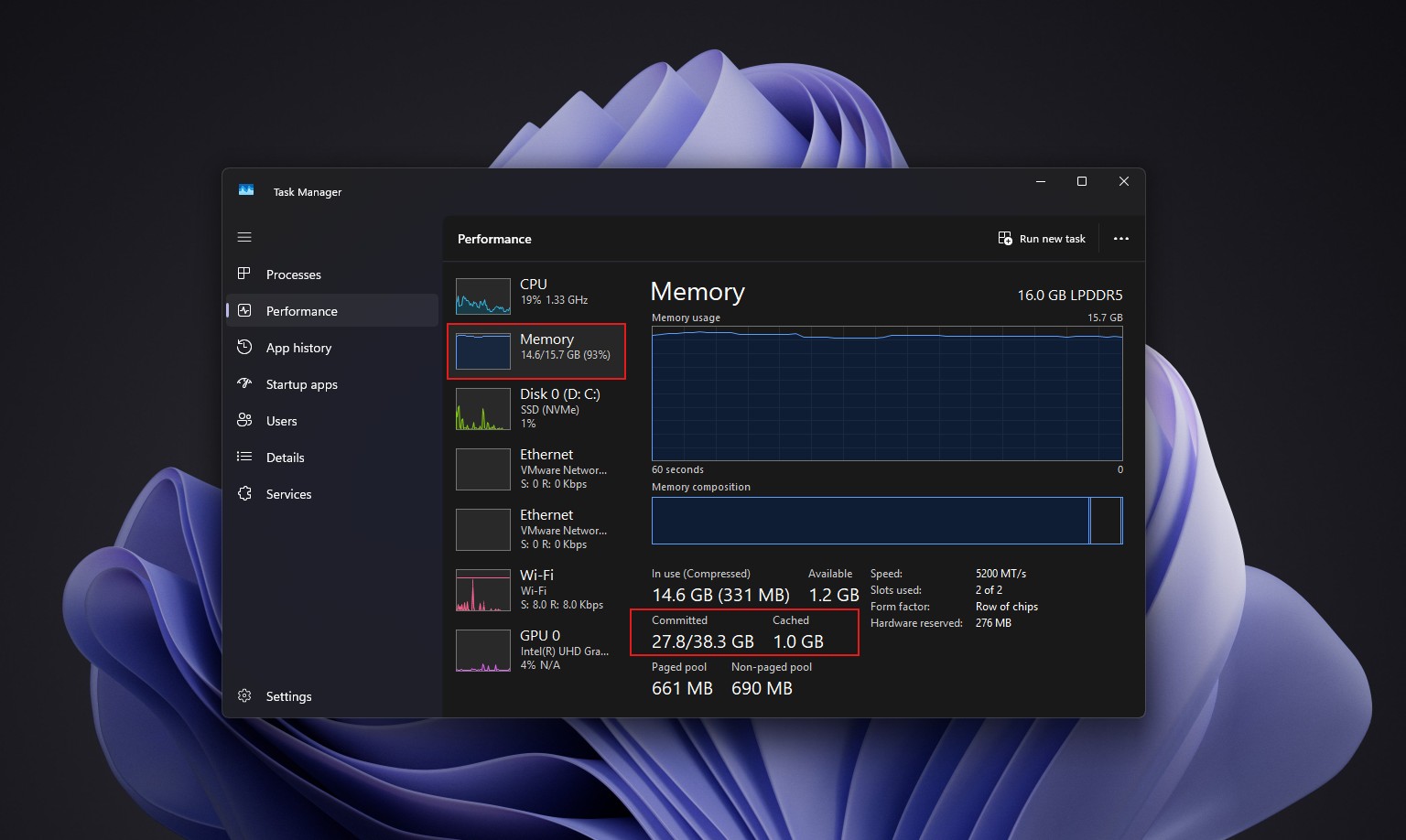
This cached data does not meaningfully reduce the system’s available headroom. When an active workload requires additional memory, Windows can quickly discard or repurpose standby pages without causing a performance decline.
The more significant concern is unnecessary RAM consumption caused by poorly optimized applications and operating-system components, particularly web applications and web-based interface elements in Windows 11.
WebView2 is the Chromium-based engine behind numerous Windows features and MS applications. Each WebView2 process effectively operates as a small browser instance, adding its own memory overhead.

In its July update, MS said it had adopted “a more efficient memory allocator to reduce overhead across apps and components”. The company also said it was improving efficiency across Chromium and WebView2 components used within the operating system.
Much of this work remains limited to Windows Insider builds. However, features such as CPU boost have already delivered noticeable improvements on decade-old hardware during testing. MS has also promised faster startup times and better performance on systems with 8GB of RAM, although it has not published supporting performance figures.
Web-Based Applications Remain a Major Source of Memory Consumption
MS’s own applications contribute significantly to the problem. Teams is known for consuming substantial amounts of RAM while idle, and MS’s response has been to introduce an efficiency mode rather than replace it with a native application.
Third-party applications built with Electron and other web technologies can be similarly demanding. WhatsApp has been observed using 1.2GB of RAM, while Discord’s Electron-based application is also among the more memory-intensive applications commonly used on Windows 11.
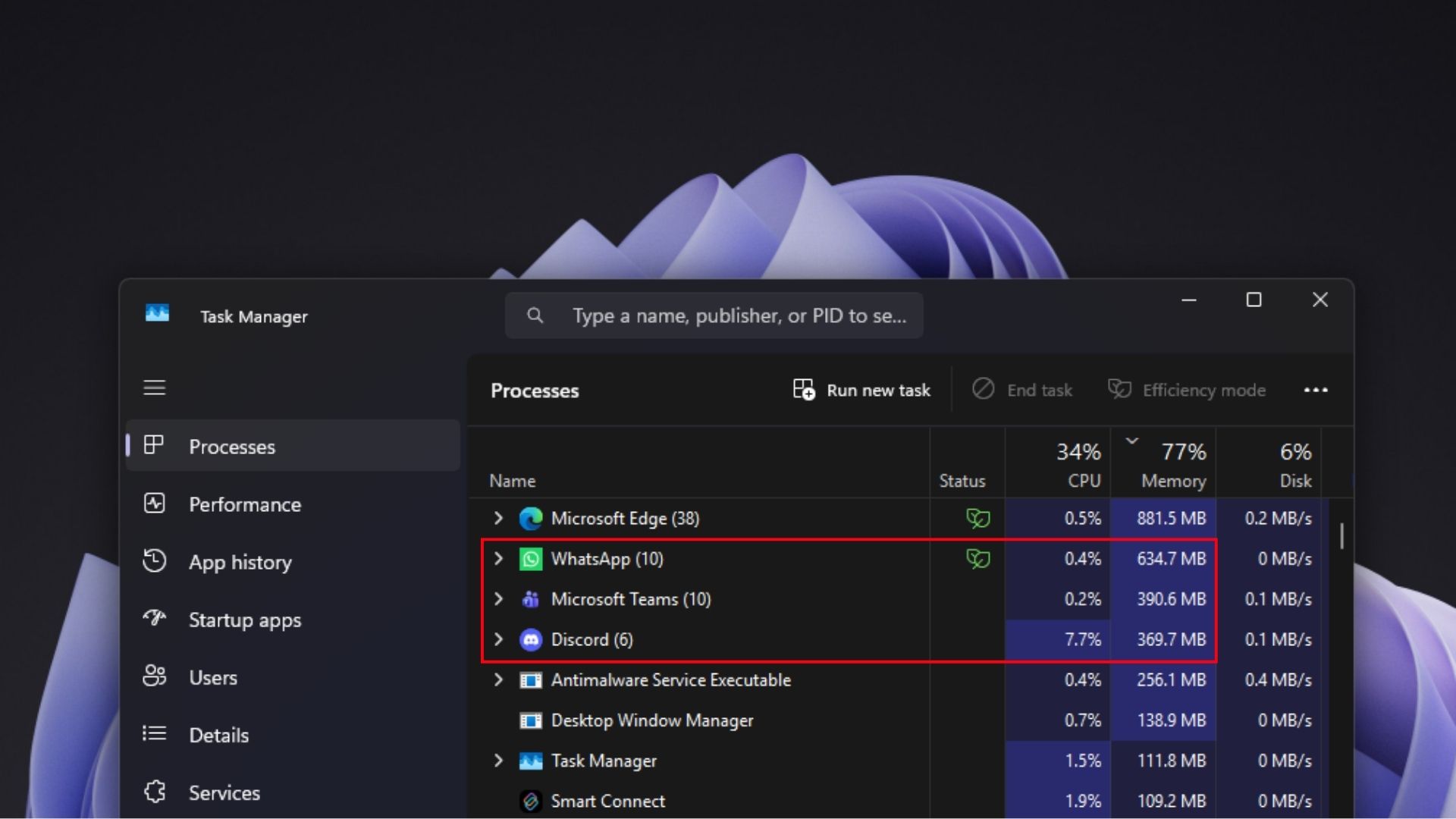
MS could address this inconsistency by migrating first-party applications such as Teams—and even simpler experiences such as Weather—to WinUI 3. A basic Windows application such as Weather should not necessarily require a browser engine. It is also difficult for MS to encourage developers to build native applications while many of its own products rely on WebView2, particularly after the company encouraged developers to create Electron-based AI applications earlier in 2026.
For years, buying additional RAM was the easiest solution to a memory-hungry PC, especially when memory was inexpensive. MS is now attempting to improve efficiency at every level, from the Windows Memory Manager to WinUI. After years of allowing Windows and its applications to become comfortable with higher memory consumption, the company must now adapt the platform to operate effectively with less.