Windows 11 Introduces Emerging Risks Security Monitoring
MS is preparing a Windows 11 security feature called Emerging Risks. When Windows identifies vulnerabilities in an app, driver, or firmware component, the feature can recommend installing an available update. If no patch exists, users may be advised to uninstall the affected software immediately.
The feature appears within Windows Security, where it is designed to track serious vulnerabilities affecting installed apps, drivers, and firmware. It has surfaced in Windows 11 preview builds but is not yet publicly available or fully operational.
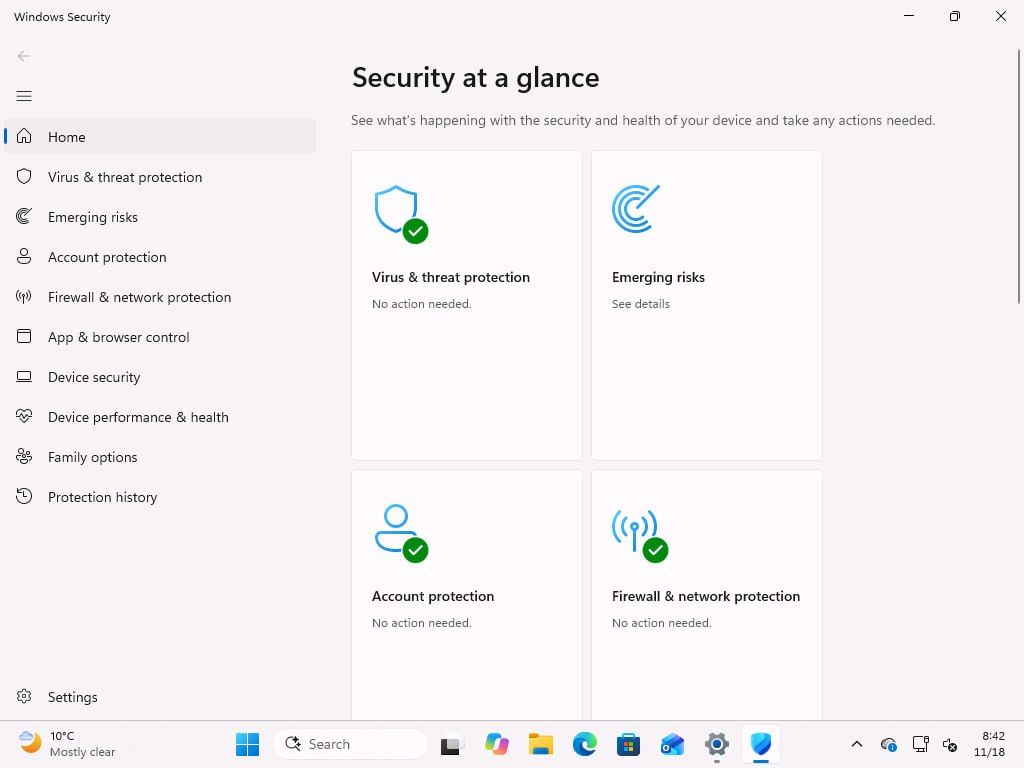
MS describes emerging risks as “serious vulnerabilities in apps, drivers, or firmware on this device that require attention.”
According to MS, Windows will be able to monitor these risks and notify users when an appropriate action becomes available.
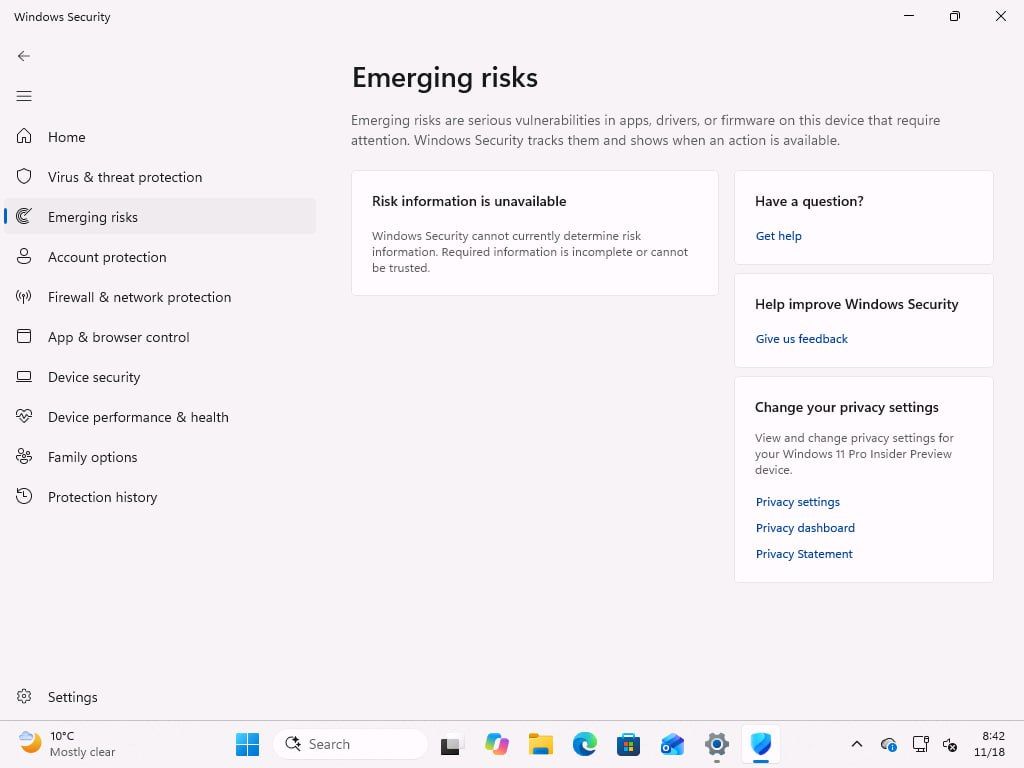
In its current preview state, the dashboard may remain mostly empty and display the following message: “Windows Security cannot currently determine risk information. Required information is incomplete or cannot be trusted.” This does not necessarily mean that a device is fully secure. Users should still ensure that their apps, drivers, and firmware remain up to date.
Emerging Risks Could Identify Vulnerable Software and Recommend Action
Windows Security may assign a risk rating to detected vulnerabilities, helping users understand how urgently they need to respond.
MS has confirmed that Emerging Risks will be enabled across all compatible Windows 11 PCs without additional system requirements. The feature will remain available even when protections such as Secure Boot or Memory Integrity are disabled.
Emerging Risks is currently exclusive to Windows 11, with no announced plans to bring it to Windows 10.
The Feature Will Provide Guidance Rather Than Install Patches
MS can address vulnerabilities in its own products, including Windows, but it cannot automatically update every third-party app, driver, or firmware component. Its unified update program also depends on software developers choosing to participate.
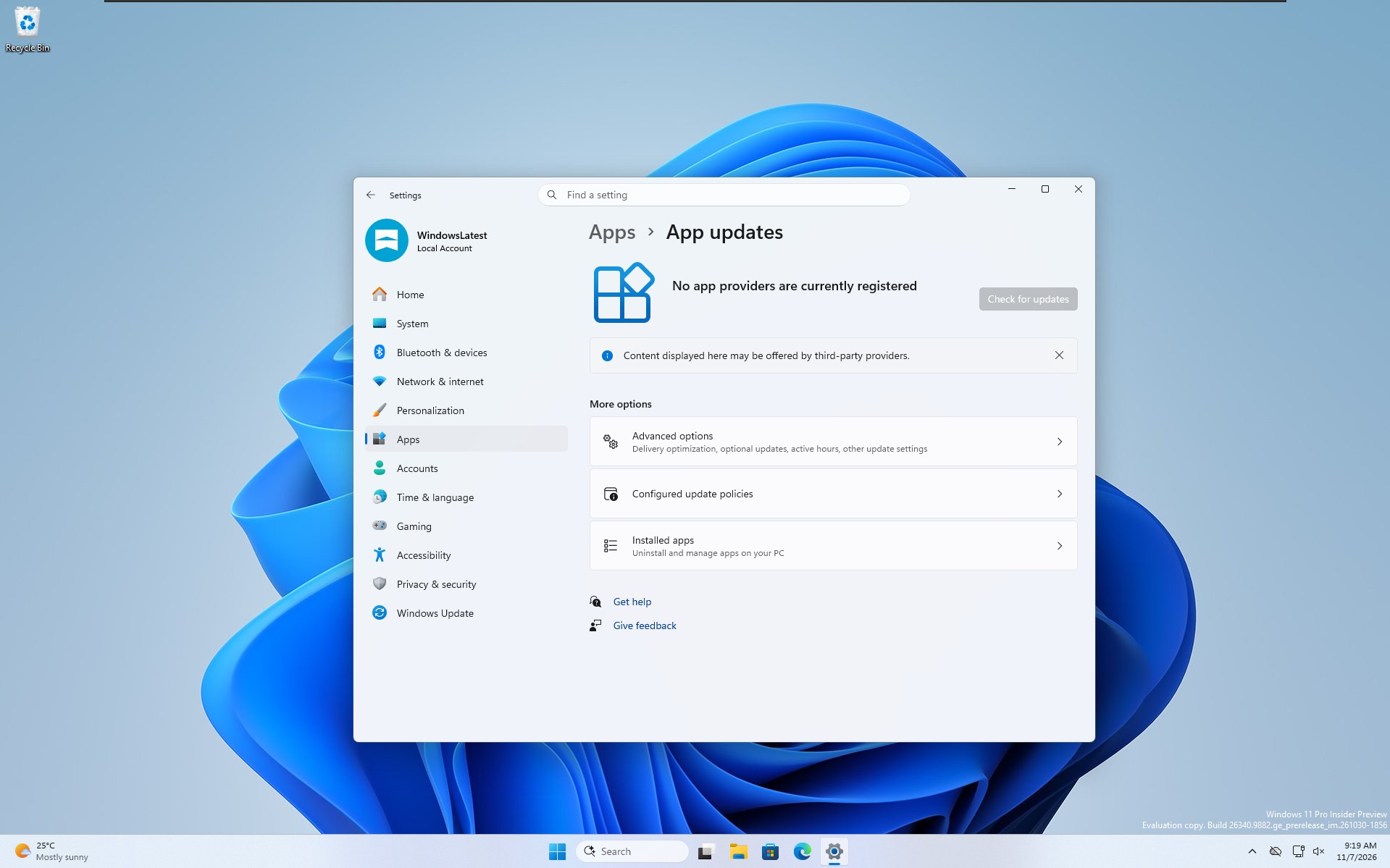
If a vulnerable component is not updated, or if the user is unaware of the problem, Windows currently has limited ability to resolve the risk.
Apps distributed through the MS Store may receive security patches more quickly. However, many widely used third-party applications rely on their own installers and update systems, which remain outside MS’s direct control.
Emerging Risks could help address this limitation by notifying users when software requires attention. Users could then decide whether to continue using the affected app, install an available update, or remove it from the system.
MS Is Expanding Windows 11 Security Protections
Emerging Risks is reportedly part of a broader set of Windows 11 security improvements planned for early 2027. MS is increasing its focus on protecting Windows in the AI era, with additional security features expected in the coming months.
MS has also confirmed that app developers will be able to check whether a PC meets Windows 11’s new security baseline. If protections such as Secure Boot or Memory Integrity are disabled, developers may choose to display a warning, restrict certain features, or block the app.
Adobe and Battle.net are among the companies working with MS on this compatibility check, although neither has said that it will block PCs that fail to meet the baseline.
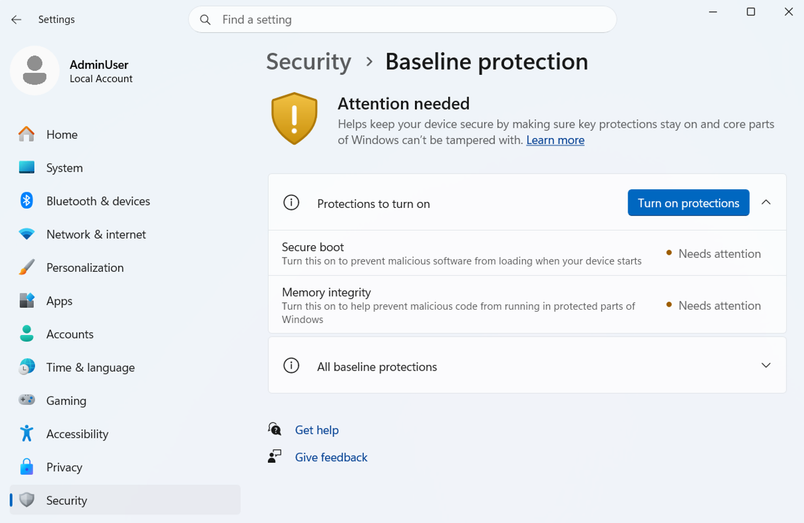
In July 2026, MS 365’s security director urged users not to postpone Windows updates for three days or longer. By October 2026, MS had addressed more than 1,000 vulnerabilities across its products, including Windows. The company maintained that a higher number of reported vulnerabilities does not necessarily indicate that Windows has become less secure.
“A higher number of CVEs does not mean Windows has become less secure,” Nuno Costa, Partner Director for Windows Servicing and Delivery, wrote on November 5. “It means more vulnerabilities have been discovered and closed, reducing the opportunities attackers have to exploit them.”