MS Quietly Lifts “Microslop” Ban as Windows 11 AI Push Becomes Less Aggressive
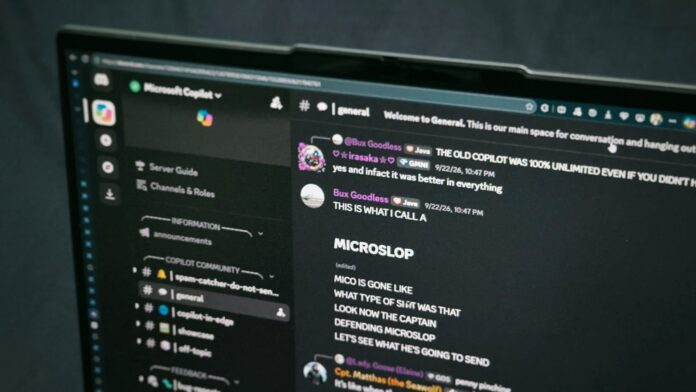
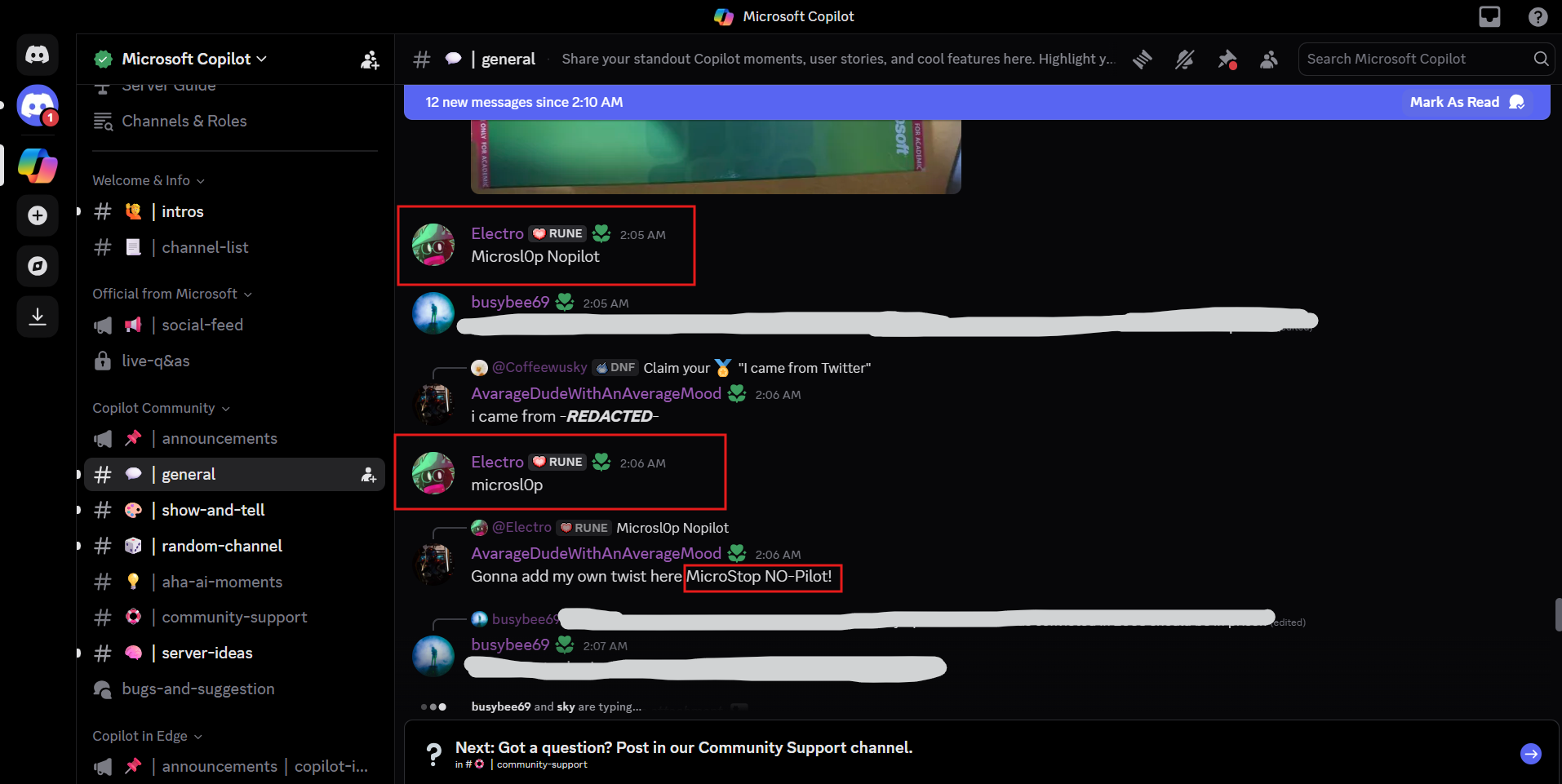
In March, MS’s official Copilot Discord server began blocking messages containing the term “Microslop.” Anyone attempting to post it received a moderation warning, prompting users to test alternatives such as “Microsl0p” to bypass the filter. The situation escalated until MS restricted parts of the server.
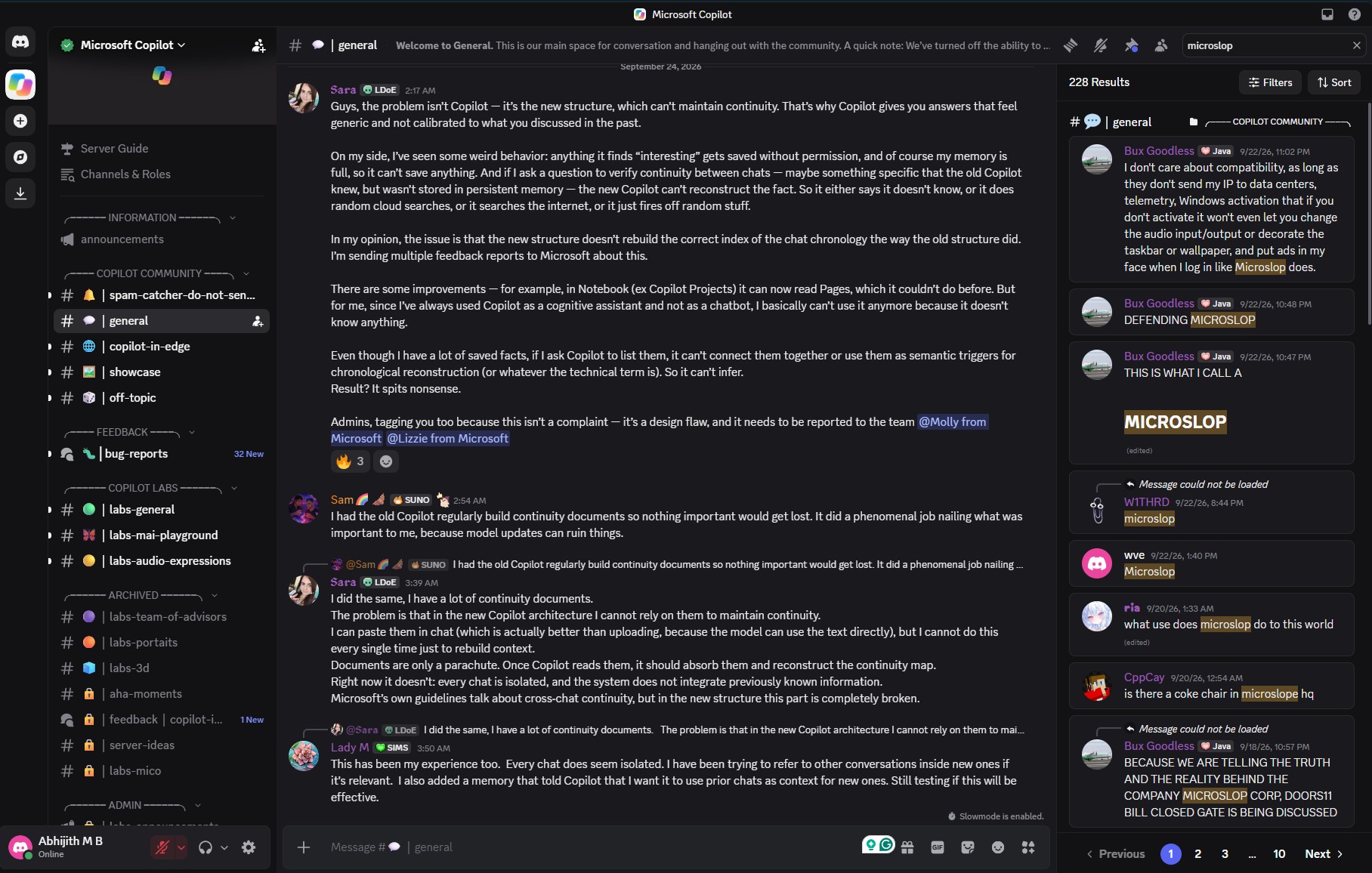
Six months later, the term no longer appears to be blocked. Users can post it openly in the general channel, while Discord searches return more than 200 results from recent weeks.
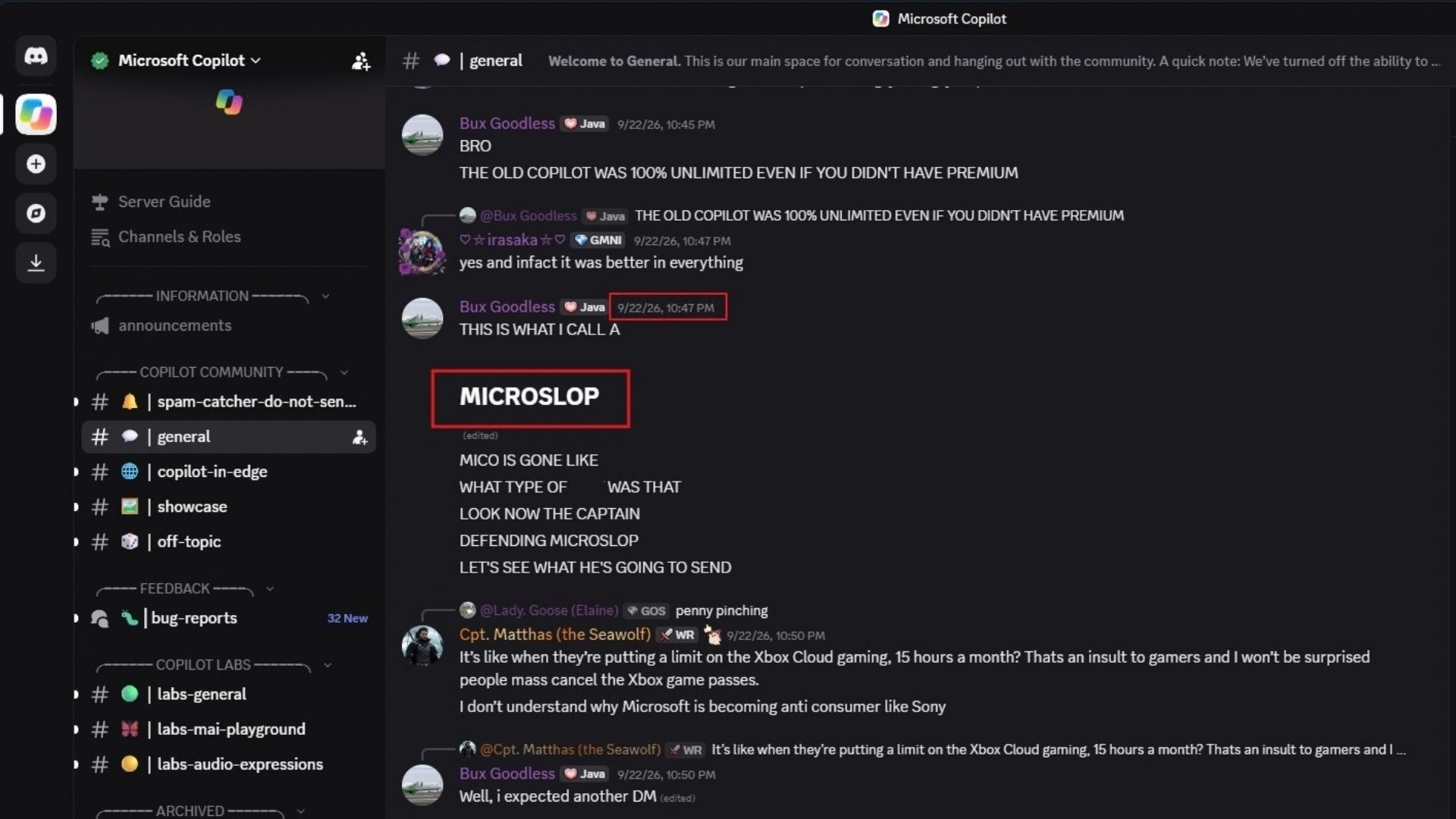
MS did not publicly announce that the restriction had been removed. Users simply resumed posting the term, suggesting that the filter previously blocking it is no longer active.
MS Previously Tried to Restrict the Term
The nickname emerged in late 2025 or early 2026 amid frustration over MS’s aggressive expansion of AI features across Windows 11. It spread quickly enough for someone to create a browser extension that replaced “MS” with “Microslop” across webpages. Much of the criticism centered on Copilot appearing throughout Windows regardless of whether users wanted it.
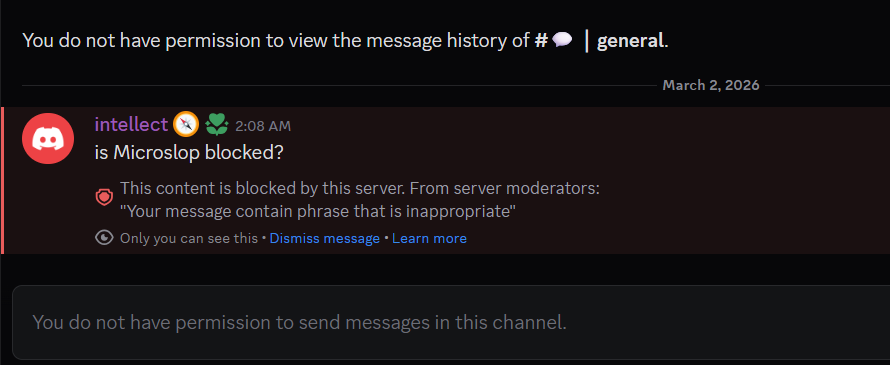
By March, messages containing the term were being blocked automatically in the official Copilot Discord server. Users found variations that bypassed the filter, some accounts were restricted, and MS eventually locked down parts of the server.
MS later described the filtering as a temporary anti-spam measure rather than a permanent policy specifically targeting the nickname. By that point, however, the controversy had already attracted considerable attention.
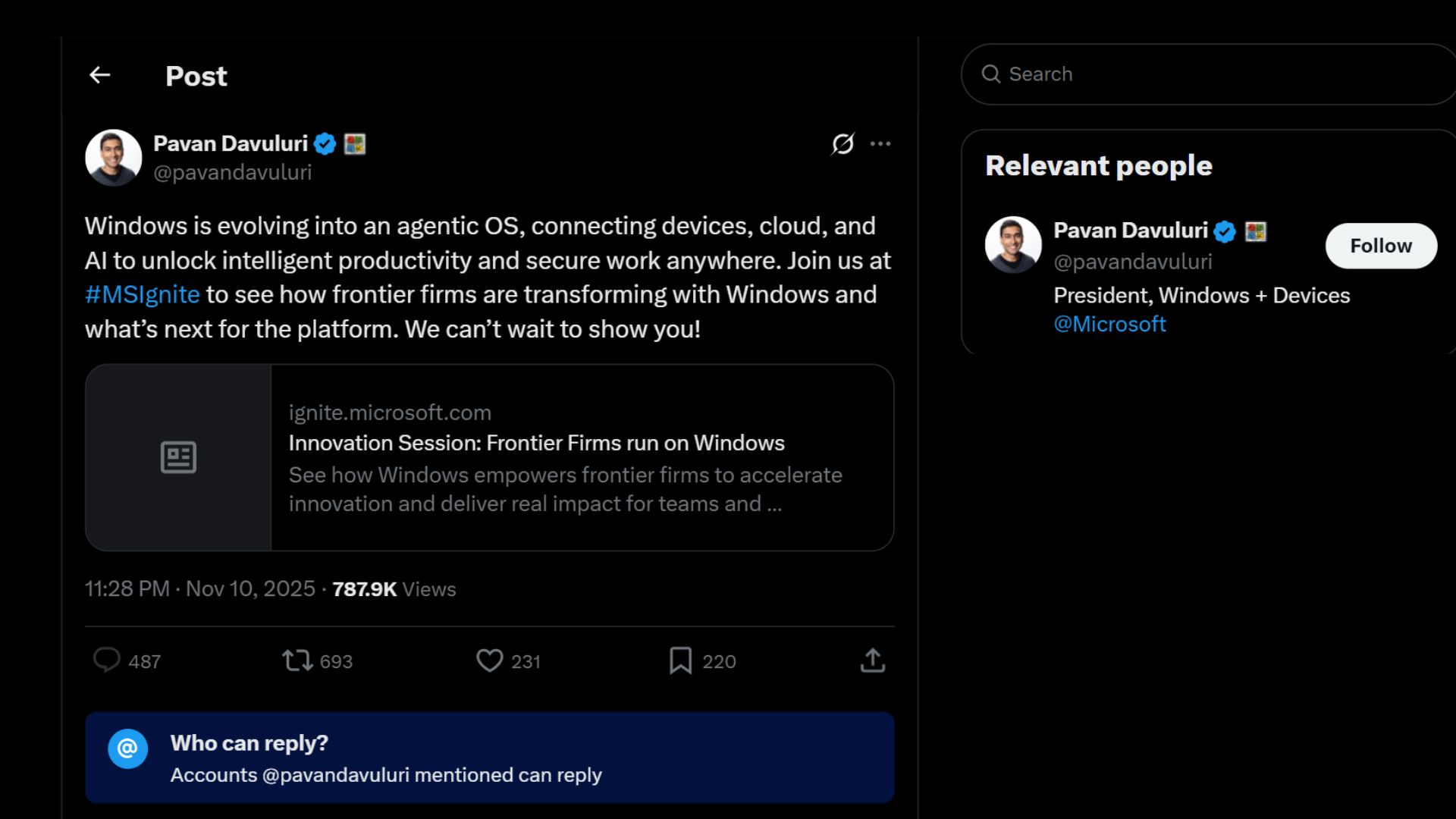
Hostility toward Copilot had been building for months before the Discord filter appeared. In November 2025, Windows chief Pavan Davuluri locked replies to an X post describing Windows as an “agentic OS” after it received overwhelmingly negative responses. Users accused MS of prioritizing AI while neglecting fundamental Windows problems.
MS Is Removing the Features That Made the Nickname Stick
Compared with earlier in the year, the term “Microslop” now appears less frequently across X, Reddit, and Windows communities. MS remains far from universally popular, and criticism continues, but discussions are no longer as heavily dominated by the AI backlash that made the nickname widespread.
A likely reason is that MS changed direction. In a March 20 quality announcement, Davuluri said the company would become more deliberate about how and where Copilot appears in Windows. He emphasized genuinely useful, well-designed experiences and confirmed that unnecessary Copilot entry points would be reduced in apps such as Snipping Tool, Photos, Widgets, and Notepad.
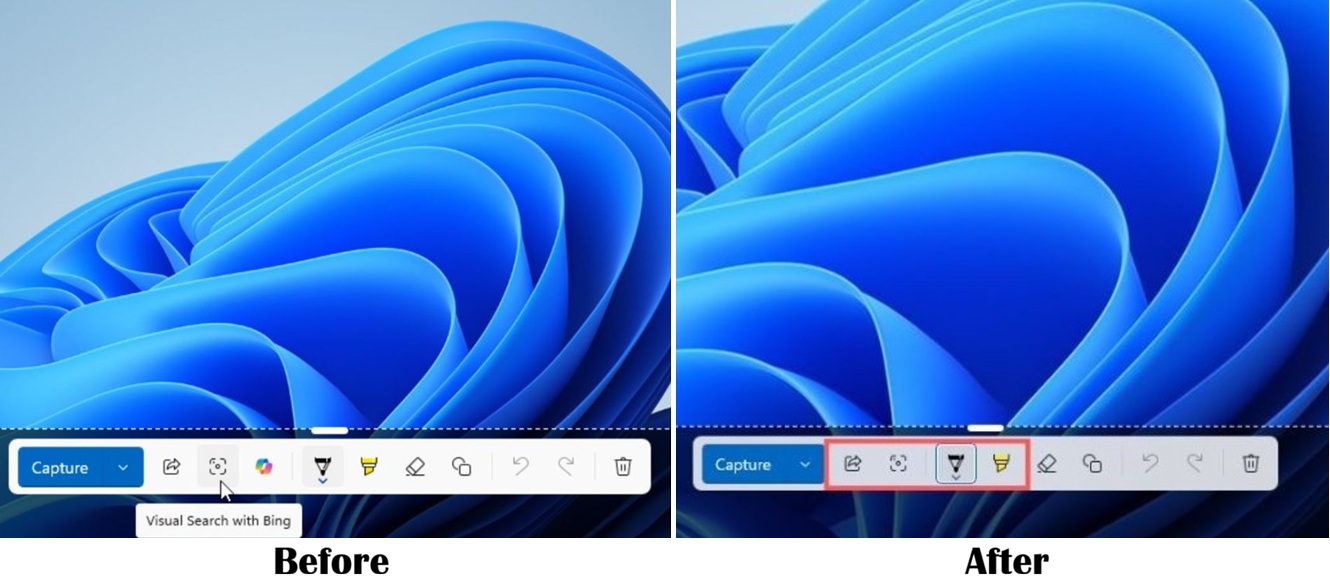
The announcement was followed by concrete changes. MS removed the Copilot button from Snipping Tool and renamed the relevant Notepad feature to “Writing tools” for all users, rather than limiting the change to Windows Insiders.
During March, MS also reversed plans to automatically install the MS 365 Copilot app on Windows 11. The company did not abandon AI, but it began reducing prominent Copilot branding and unnecessary access points while retaining the underlying AI features.
Windows subsequently became less aggressive in promoting services. MS promised a calmer operating system with fewer advertisements and upselling prompts in the Start menu and elsewhere. By September, it was also reversing much of the MSN-heavy content previously added to the lock screen.
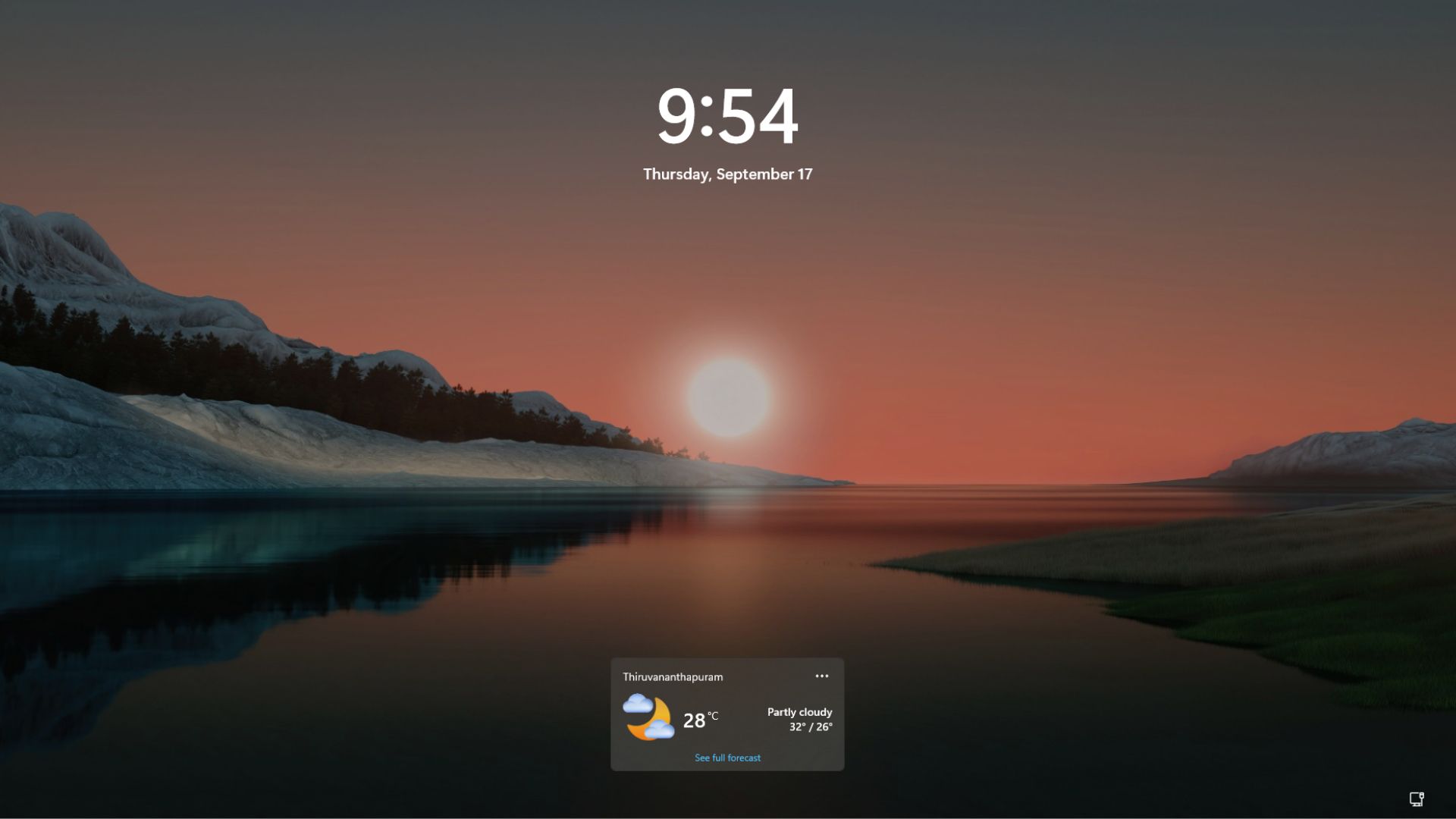
Alongside planned improvements to the movable taskbar and Start menu, MS confirmed that it would add customization options long requested by Windows 10 users.
The Copilot Key Becomes More Flexible
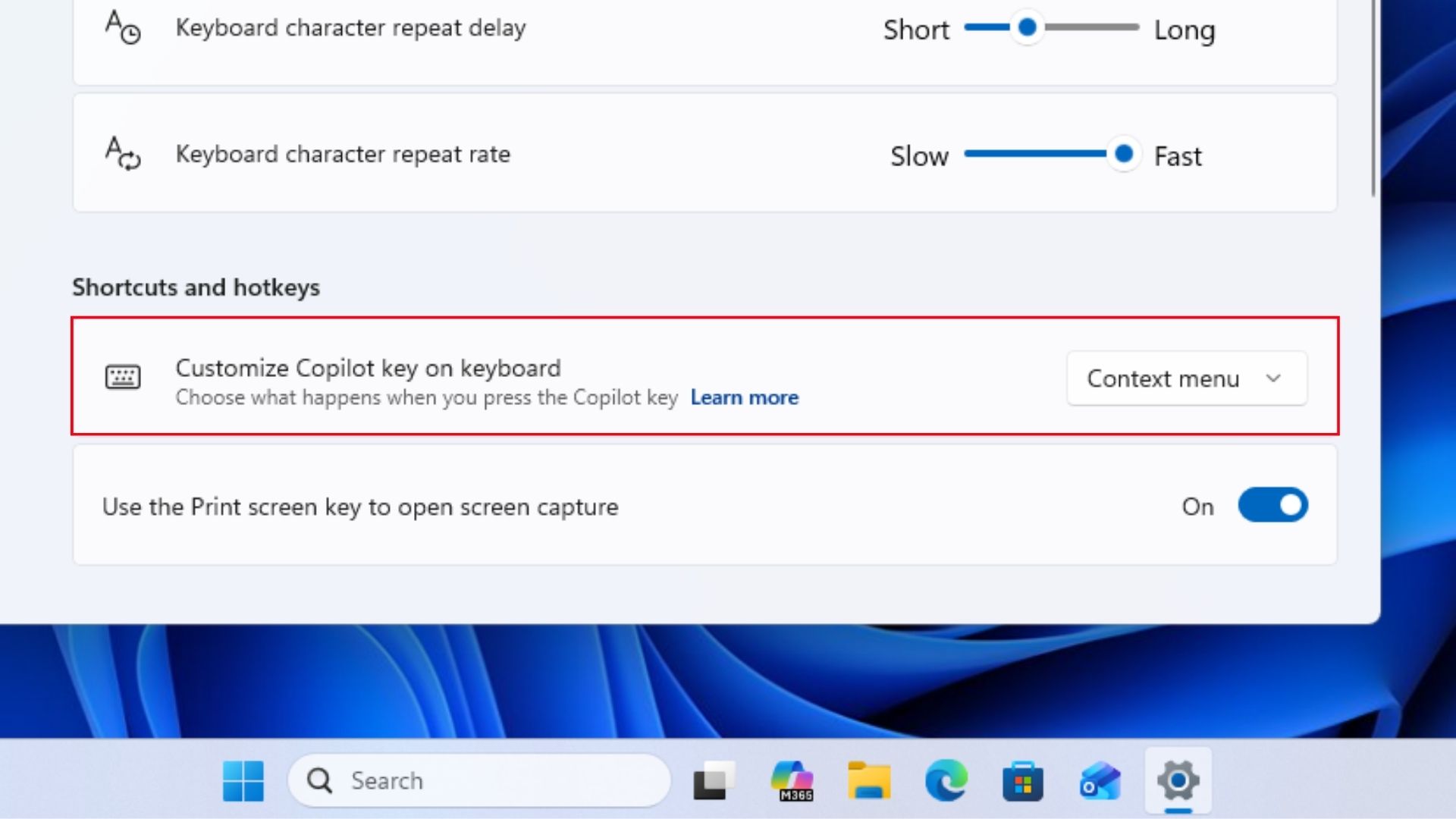
The dedicated Copilot key illustrates the problems with MS’s earlier strategy. The company introduced a physical key to make Copilot feel essential to Windows, but users can now remap it to function as Right Ctrl or the Context Menu key. MS acknowledged that the original implementation disrupted productivity and accessibility workflows for some users.
MS has also changed the Copilot logo, leaving existing Windows 11 laptops with the older symbol printed on their keyboards. Most users are unlikely to consider this significant, although the visual inconsistency remains noticeable.
AI Remains Part of MS’s Windows Strategy
MS is not removing AI from Windows. Instead, it is giving users more control over where AI appears while continuing broader work on the taskbar, Search, File Explorer, and WinUI. Davuluri’s March announcement presented these efforts as part of a unified quality initiative.
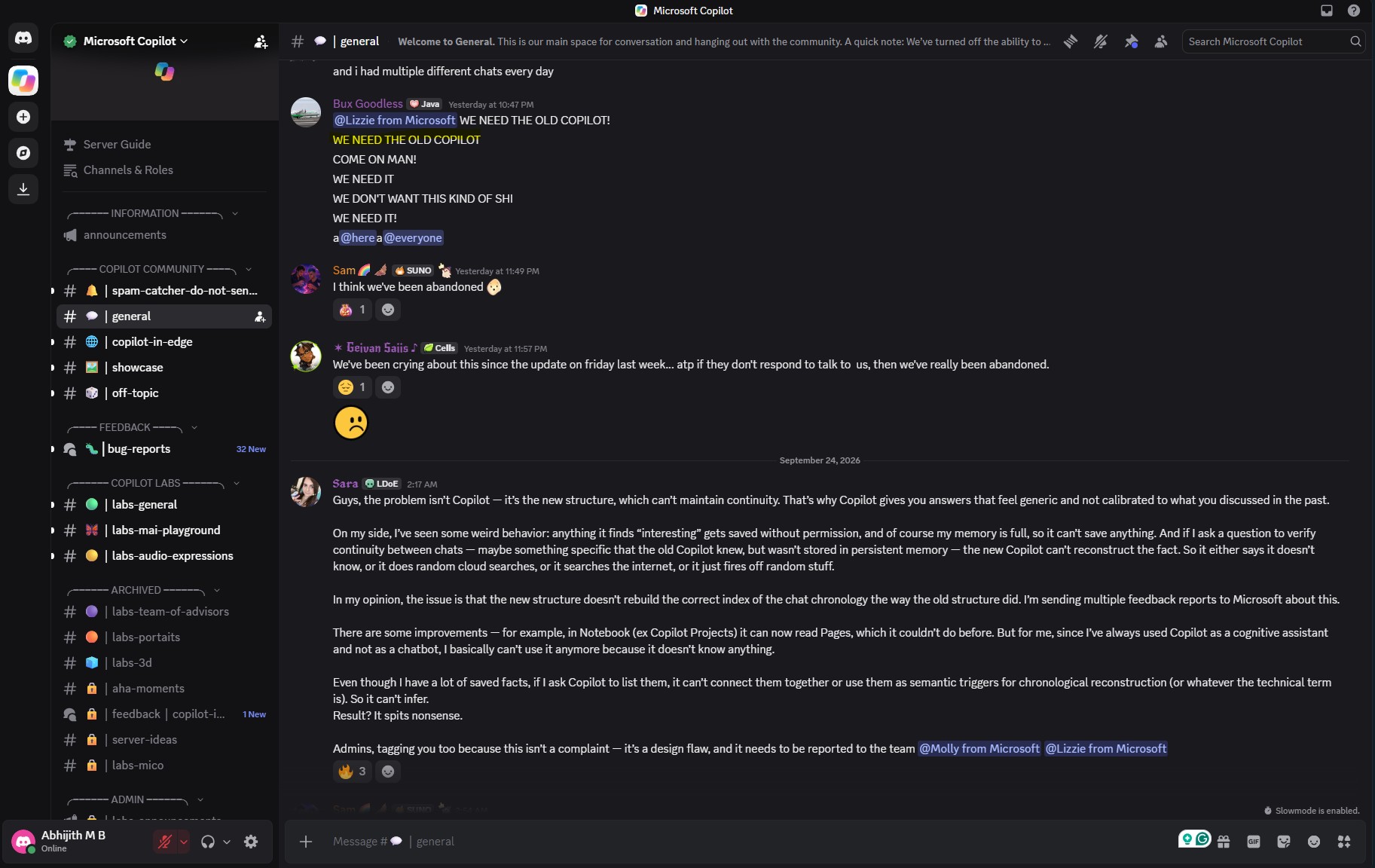
The backlash has not disappeared. Recent screenshots from the same Discord server show users asking MS to restore “the old Copilot” after an architecture change disrupted chat continuity and memory. The complaints also indicate that more people are actively using Copilot than the earlier backlash might suggest, particularly for simpler tasks.
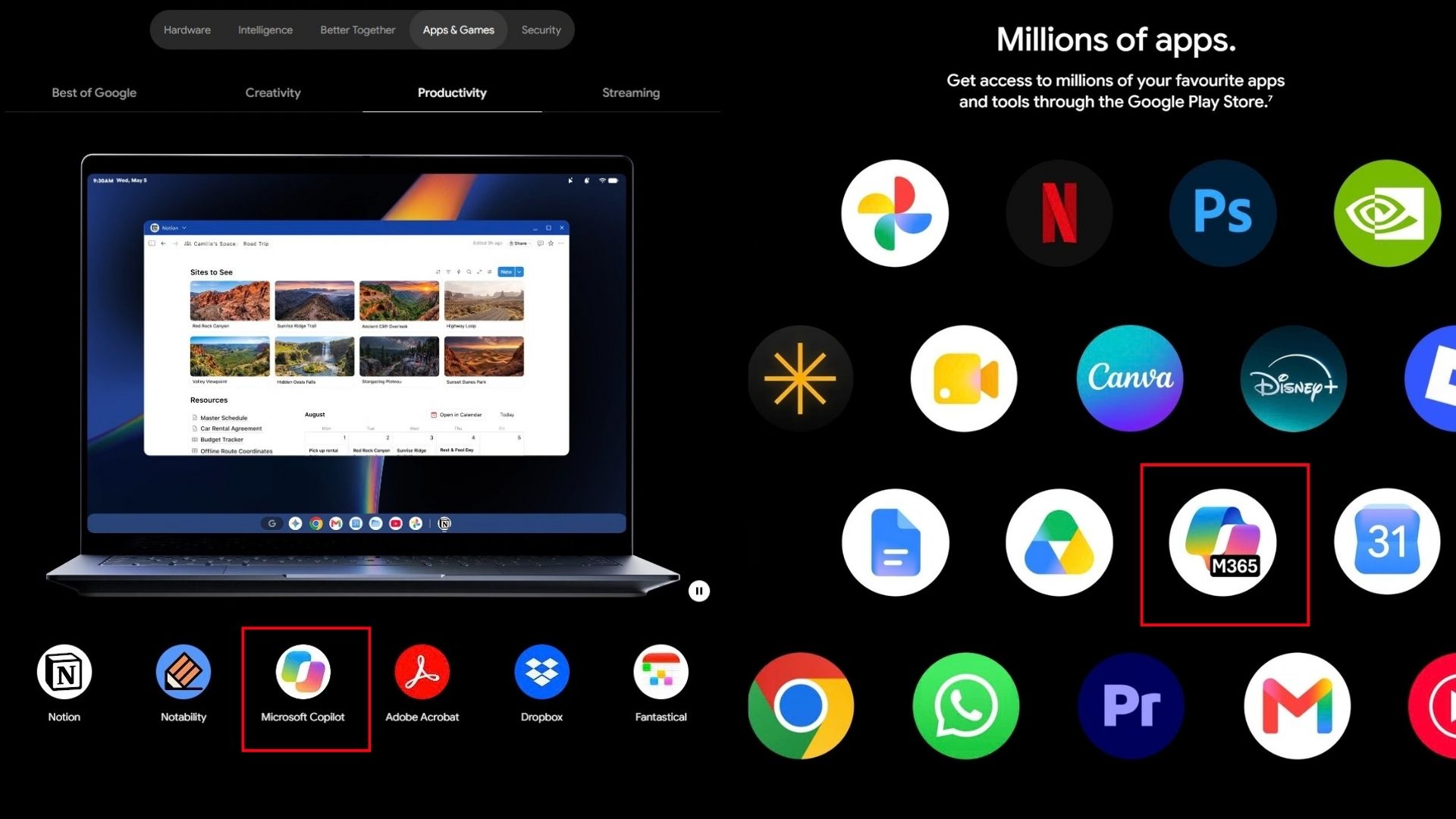
As the technology industry continues investing in AI, MS is likely to maintain its development efforts. GitHub Copilot gained WSL support for agent sessions this year, while Google has even featured MS Copilot in promotional material for its new Googlebook laptops—something it never did for Windows Phone.
MS’s strategy appears to be shifting away from placing Copilot buttons on every toolbar and toward AI models operating locally as background capabilities. This approach aligns with the company’s new phrase, “unmetered intelligence on every home,” and represents a substantially different direction from its earlier emphasis on highly visible Copilot branding.
MS may not have defeated the “Microslop” nickname. Instead, its recent changes appear to have made the term less relevant.